

Spring in Palo Alto is a sight to behold. From the vibrant blossoms lining University Avenue to the green canopies of Old Palo Alto, the city is currently alive with color. But for many residents, this April 2026 beauty comes with a hidden cost: extremely high pollen counts from local Birch, Oak, and Sycamore trees that trigger a cascade of allergic reactions.
While we often focus on watery eyes and endless sneezing, there is an invisible battle happening inside your mouth. At Dentist Palo Alto, we see a significant shift in patient needs during these months. The connection between your respiratory system and your oral health is profound, and understanding this link is the key to maintaining a healthy smile while the jasmine and oaks are in full bloom.
The Hidden Cost of “Clear Sinuses”
As the Palo Alto spring settles in, local pharmacies see a surge in demand for antihistamines. Whether it’s Claritin, Zyrtec, or Benadryl, these medications are lifesavers for those trying to enjoy a walk through Elizabeth F. Gamble Garden without a tissue box in hand. However, these “miracle pills” work by drying up mucus membranes—and they aren’t selective.
The “Cotton Mouth” Connection
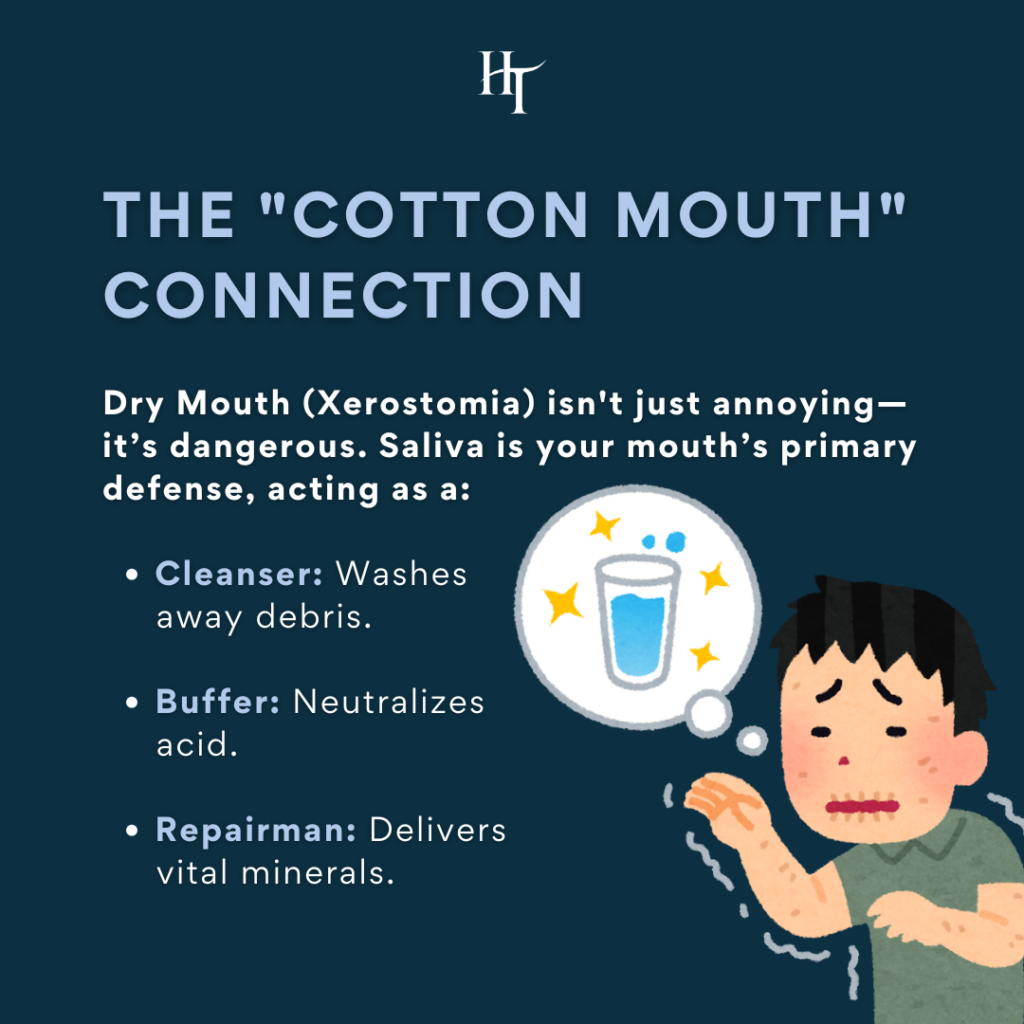
The same mechanism that stops your nose from running also stops your salivary glands from producing. This condition, known clinically as Xerostomia (dry mouth), is more than just an annoyance. Saliva is your mouth’s primary defense mechanism. It acts as a natural cleanser, a pH buffer, and a mineral delivery system. Without it, the environment inside your mouth shifts from a self-cleaning ecosystem to a breeding ground for harmful bacteria.
The Solution Thesis
Managing your spring dental health tips requires a shift in perspective. You aren’t just fighting pollen; you are fighting the side effects of your defense against pollen. Protecting your enamel and gums during this surge requires a proactive approach that balances allergy relief with oral hydration and specialized care.
Xerostomia: Why Your Antihistamine is a Cavity Catalyst
To understand why dry mouth is so dangerous, we have to look at the chemistry of a healthy smile.
Saliva’s Superpower
Healthy saliva is rich in calcium and phosphate ions. When you eat, the bacteria in your mouth produce acid as they break down sugars. This acid dissolves a tiny layer of your enamel. Under normal circumstances, your saliva rushes in to neutralize that acid and remineralize the tooth, effectively repairing the damage in real-time.
The Dry Mouth Risk
When antihistamines induce Xerostomia, that repair process stops. Furthermore, your “biofilm”—the thin layer of bacteria on your teeth—becomes stickier and more acidic. This creates a perfect storm for interproximal cavities. These are the tricky decay spots that form between the teeth, where a toothbrush can’t reach and where thin, acidic saliva tends to pool. Without the washing effect of saliva, food particles and sugars sit against the enamel for hours, leading to rapid decay.
Specialized Xerostomia Treatment
At Dentist Palo Alto, we don’t believe in a one-size-fits-all approach to dry mouth. Dr. Hansen and Dr. Tseng offer specialized Xerostomia treatment protocols designed for our unique Silicon Valley climate. We provide:
- pH-Balanced Rinses: To manually neutralize the acidity that antihistamines cause.
- Xylitol Protocols: Utilizing natural birch sugar to stimulate salivary flow without feeding decay-causing bacteria.
- High-Fluoride Protection: Prescription-strength pastes to “armor” your teeth while your natural defenses are low.
Holistic Health: How to Strengthen Gums Naturally
While clinical intervention is vital, your daily habits play a massive role in how your body handles the stress of allergy season. We often get asked how to strengthen gums naturally, especially when they feel sensitive or inflamed due to dry mouth.
Hydration & Antioxidants
Combatting allergy-induced dry mouth starts with systemic hydration. If your body is dehydrated, it cannot produce saliva.
- Green Tea: Contains catechins that reduce inflammation and help fight the bacteria that cause gum disease.
- Vitamin C-Rich Produce: Visit the Palo Alto Farmers’ Market for local peppers, kale, and citrus. Vitamin C is essential for collagen synthesis, which keeps your gum tissue firm and resilient.
Oil Pulling & Natural Rinses
As part of a holistic approach to spring dental health tips, we often discuss the benefits of organic coconut oil pulling. Coconut oil contains lauric acid, which has antimicrobial properties. Swishing a tablespoon of oil for 10–15 minutes can help reduce the bacterial load that flourishes in a dry oral environment.
The Allergy Protocol
If you must take antihistamines, timing is everything. Try taking your medication at night to allow the peak “drying” effect to happen while you sleep—just ensure you are extra vigilant about brushing before bed. Additionally, make it a habit to rinse your mouth with plain water after every meal to clear away debris.
Doctor’s Insight: A Note from Dr. Hansen & Dr. Tseng
“Many of our patients are surprised to learn that sinus pressure can actually mimic a toothache. Because the roots of your upper teeth sit so close to your sinus cavities, inflammation in one can feel like pain in the other.
Before you worry about a root canal, we use our AI-assisted diagnostics to determine if the issue is clinical decay or simply seasonal pressure. By overlaying AI analysis on our digital X-rays, we can see subtle differences between a tooth infection and a congested sinus cavity. Our goal is always the most conservative, gentle path to relief.”
Specialized Care for Sensitive Journeys
Our practice is built on the foundation of empathy and high-tech precision. We understand that for many, oral health isn’t just about a bright smile; it’s about navigating complex health journeys.
Beyond the Basics
Our experience in managing the oral side effects of intensive medical treatments, such as breast cancer care, has shaped our approach to everyday seasonal issues. Patients undergoing chemotherapy often experience severe Xerostomia and gum sensitivity. We apply that same level of specialized, “gentle” care to our allergy sufferers. We know that when your body is already under stress, your dental care should be a source of relief.
Gentle AI Detection
We utilize AI-enhanced imaging to provide the most accurate diagnostics possible. This technology allows us to catch “micro-cavities” caused by dry mouth long before they become painful or require invasive procedures. This is particularly beneficial for patients with systemic sensitivities, as it ensures we only treat what is necessary.
Frequently Asked Questions (FAQ)
This is often a “sinus toothache.” When your maxillary sinuses become congested, they can press down on the nerves of your upper molars. We can verify this quickly with a digital scan to ensure there isn’t an underlying dental issue.
The best treatment depends on the cause. For seasonal dryness, we often recommend xylitol-based lozenges. Xylitol “tricks” the salivary glands into producing more moisture while starving the bacteria that cause cavities.
Yes. Saliva washes away the “biofilm” that hardens into tartar. Without it, plaque accumulates much faster along the gumline, leading to gingivitis. This is why learning how to strengthen gums naturally is so vital during the spring.
Absolutely. Our AI software is a digital tool that analyzes images from our ultra-low-radiation digital X-rays. It doesn’t involve extra radiation; it simply provides a more accurate “second pair of eyes” to ensure your diagnosis is perfect.
Breathe Easy, Smile Brighter
Don’t let the Palo Alto pollen count compromise your hard-earned oral health. The transition from winter to spring should be a time of renewal, not a time of dental distress. By staying hydrated, understanding the side effects of your allergy medications, and utilizing the high-tech, empathetic care offered at our office, you can enjoy the season with total confidence.
Feeling the “Cotton Mouth” of allergy season? Don’t wait for a small sensitivity to become a major problem. Visit us at dentistpaloalto.com today to schedule your spring hygiene visit. Let Dr. Hansen and Dr. Tseng ensure your smile remains as vibrant and healthy as a sunny day on University Avenue.