
Why a Missing Tooth Cannot Wait
You lost a tooth. Maybe it was pulled, maybe it cracked beyond saving. Either way, you’re thinking about it every time you eat or smile. Here’s what most people don’t realize: the problems start fast.
Within weeks of losing a tooth, the bone underneath begins to shrink. Your jaw needs the pressure from chewing to stay dense and strong. No tooth, no pressure, no reason for the bone to stick around. According to the American College of Prosthodontists, over 178 million Americans are missing at least one tooth. That’s a lot of people dealing with this exact situation.
But bone loss is just the beginning. The teeth next to that gap start drifting. Slowly at first, then noticeably. We see this in our Palo Alto office all the time, patients come in six months after an extraction and the neighboring teeth have already shifted enough to change their bite. That shift creates new problems: uneven wear, jaw pain, food getting trapped in places it never did before.
Here’s what happens when you wait too long:
- Bone loss in the jaw makes future dental work harder
- Surrounding teeth tilt into the empty space
- Your bite changes, putting stress on teeth that weren’t built for it
- The opposite tooth can start to over-erupt since nothing meets it
The patients who come to us needing the most complex work are almost always the ones who put off replacing a missing tooth for a year or more. By then we’re not just placing a dental bridge. We’re fixing a chain reaction.
So if you’re walking around thinking that gap in the back of your mouth doesn’t matter because nobody sees it, think again. Your other teeth feel it. Your jaw feels it. And the longer you wait, the more involved the fix becomes. A dental bridge placed at the right time can stop all of this before it snowballs into something bigger.
The good news? You caught this page. That means you’re already thinking about it.
How to Know If a Dental Bridge Is Right for You
You’re missing a tooth. Maybe two. You can feel the gap with your tongue every time you eat, and you’ve started chewing on one side without even thinking about it. That’s usually when people in Palo Alto call us.
A dental bridge works best in a specific situation. Not everyone qualifies, and not every gap needs the same fix. Here’s what we look at during your exam to figure out if a bridge makes sense for you:
- You have healthy teeth on both sides of the gap that can support a bridge
- Your gums are in good shape with no active gum disease
- You’re missing one to three teeth in a row
- You want a fixed solution that stays in your mouth permanently
- Your jawbone doesn’t support a dental implant, or you’d rather skip surgery

We check all of this with digital X-rays and a hands-on exam. Most of the time, we can tell you in that first visit whether a dental bridge is your best path forward.
Some patients come in thinking they need an implant when a bridge would actually serve them better. Others assume a bridge is their only option when an implant might last longer. The honest answer depends on your mouth, your bone density, your budget, and how fast you want the gap closed.
Not sure which direction to go? That’s actually pretty common.
Here’s something we tell patients every week. A dental bridge can be placed in just two visits. Implants take months. If you need a tooth replaced before a big life event or you’re tired of the gap affecting how you speak, a bridge gets you there faster. But if those anchor teeth already have large fillings or show signs of wear, we’ll be straight with you about that too.
The goal is simple. We want whatever we put in your mouth to last, feel natural, and let you eat without worrying about it. Our team has placed hundreds of bridges over the years, so when one will hold up and when a different approach makes more sense.
What the Dental Bridge Process Looks Like
Most people want to know exactly what happens before they sit down. Fair enough. Here’s how we do dental bridges in our Palo Alto office, start to finish.
- Initial exam and imaging. We take digital X-rays to check the roots and bone around your anchor teeth. If there’s decay or infection, we handle that first.
- Tooth preparation. We reshape the teeth on each side of the gap. This means removing a thin layer of enamel so the crowns fit over them snugly. We numb you up well before any of this starts.
- Impressions. We take a precise mold of your prepared teeth. This goes to the lab so your bridge matches your bite and your natural tooth color.
- Temporary bridge placement. You won’t walk around with a gap. We place a temporary bridge to protect your teeth while the permanent one is made.
- Final fitting. Once your bridge comes back from the lab, you return for placement. We check the fit, adjust your bite, and cement it in place.
The whole thing usually takes two visits spread over a couple weeks. Most patients are surprised how smooth it goes.
The preparation visit is the longest one. But with oral sedation or nitrous oxide available, you can stay relaxed the entire time. Most patients tell us it was easier than they expected.
Your temporary bridge matters more than people think. Don’t skip it, and don’t ignore it if it feels loose. It keeps your prepared teeth safe and holds spacing so the final bridge seats correctly. Between visits, eat softer foods on the temporary side and avoid sticky candy and hard nuts. That’s really the only adjustment.
By the second appointment, you’ll leave with a permanent bridge that feels like your own teeth. We check your bite carefully because even a tiny high spot can cause soreness down the road. Getting this right on day one saves you a callback, and it saves us one too.
How Long Dental Bridges Last and What Affects Lifespan
Most dental bridges last somewhere between five and fifteen years. Some go even longer. We’ve seen patients in Palo Alto still wearing bridges we placed over a decade ago, and they’re holding up just fine.
But that range is wide. So what makes the difference between a bridge that lasts seven years and one that lasts fifteen?
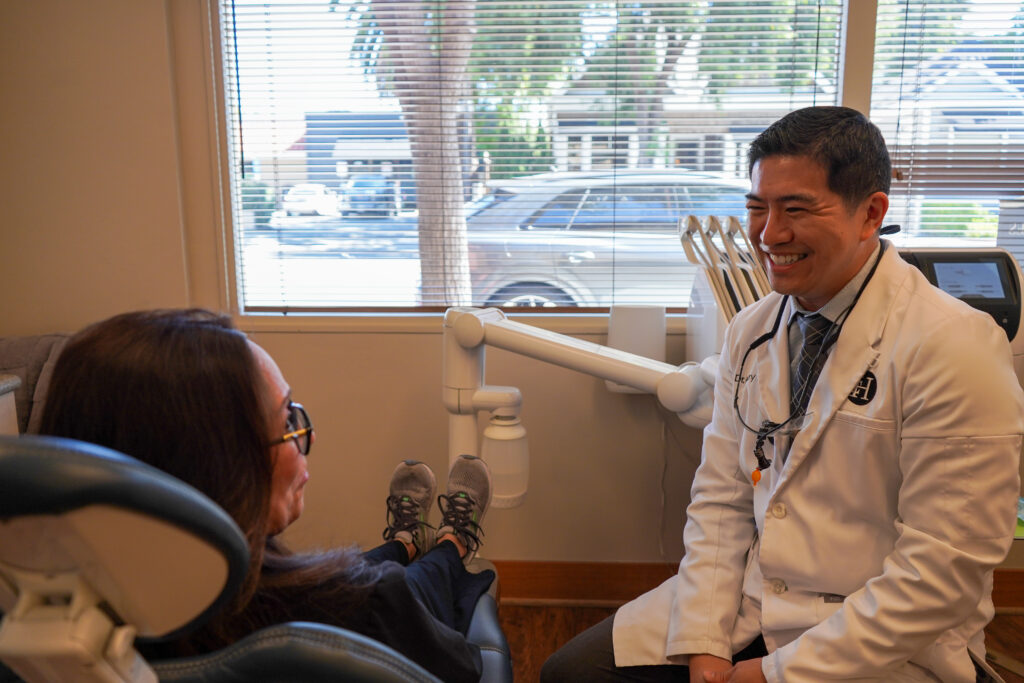
A few things matter more than people realize:
- How healthy your supporting teeth are. The teeth on either side of the gap do all the heavy lifting. If they’re strong and free of decay, your bridge has a solid foundation.
- Your bite alignment. Grinding or clenching puts extra stress on a bridge every night. We see this constantly, especially with patients who don’t know they grind.
- Daily cleaning habits. Flossing under the bridge matters. A lot. Food and bacteria collect in that space, and gum disease around the anchor teeth is the number one reason bridges fail early.
- The materials used. Porcelain fused to metal holds up differently than all-ceramic. We talk through material options with every patient because your situation is never the same as someone else’s.
When a bridge fails before its time, it’s almost always a hygiene issue or an undiagnosed grinding habit.
According to the American Dental Association, dental bridges with proper care can last well beyond ten years. That lines up with what we see in our own practice. Patients who come in for their periodic oral examinations on schedule catch small problems before they turn into big ones.
A bridge doesn’t just suddenly break one morning. It loosens slowly. You might notice food getting stuck more often, or a slight shift when you chew. Those are early signs, and catching them early can mean a simple fix instead of a full replacement.
Your bridge will last as long as you take care of it. Show up for your cleanings, floss that connector area daily, and let us know if anything feels off. That’s really all it takes to get the most life out of your dental bridges in Palo Alto.
Caring for Your Bridge After Placement
Your dental bridge is in. It looks great. Now what?
The first few days feel a little strange. You’ll notice the bridge when you chew, when you talk, maybe even when you smile. That’s normal. Your tongue keeps finding it. Give yourself about a week and it’ll feel like it’s been there forever. We tell our Palo Alto patients to eat softer foods for the first two or three days, then ease back into your regular meals.
A dental bridge can last well over a decade, but only if you take care of the teeth holding it up. Those anchor teeth do all the heavy lifting. If they develop decay underneath the crowns, the whole bridge fails. We see this more than we’d like to admit.

Daily care isn’t complicated. It just takes a little extra attention compared to natural teeth:
- Floss under the bridge every day using a floss threader or a water flosser
- Brush twice a day with a soft-bristled toothbrush, paying close attention to the gum line around your anchor teeth
- Rinse with an antimicrobial mouthwash to keep bacteria from building up in hard-to-reach spots
- Avoid chewing ice, hard candy, or sticky foods that can loosen the bridge over time
That flossing step matters most. Regular floss won’t get under the false tooth on its own. A floss threader takes about thirty extra seconds. Patients who’ve kept their bridges for ten-plus years all say the same thing: the threader became second nature after a week.
Don’t skip your periodic oral examinations. We check the fit of your bridge, look for early signs of decay on the anchor teeth, and clean areas you can’t reach at home. According to the American Dental Association, regular dental visits are one of the strongest factors in how long a bridge lasts. Most of our patients come in every six months, some every four if they have a history of gum issues.
If your bridge starts to feel loose or you notice a change in your bite, call us right away. Small problems stay small when you catch them early. Big problems usually started as something we could’ve fixed in one quick visit.
Frequently Asked Questions
How many visits does it take to get a dental bridge in Palo Alto?
Most patients finish their dental bridge in just two visits. The first visit covers the exam, tooth preparation, and your temporary bridge. The second visit, usually a couple weeks later, is when we place your permanent bridge and check your bite. You leave with a fixed tooth both times, so you’re never walking around with an open gap. It’s one of the fastest ways to close a missing tooth space.
What should I bring to my dental bridge appointment?
Bring your dental insurance card, a list of any medications you take, and your ID. If you’ve had recent X-rays from another dentist, bring those too — it can save time. If you’re choosing sedation, arrange a ride home ahead of time. Eat a light meal before your preparation visit. Arriving a few minutes early helps us get your paperwork done so we can start on time.
Is parking easy to find near your Palo Alto dental office?
Parking in Palo Alto can be tight depending on where our office is located, so we always recommend giving yourself an extra ten minutes. Street parking and nearby garages are usually available. If you prefer, Caltrain and several bus lines run through Palo Alto and make it easy to get here without a car. Just call us ahead of time and we can point you to the closest options.
How long will my dental bridge actually last?
A well-placed dental bridge typically lasts between five and fifteen years, and many last even longer. The biggest factors are how well you clean under the bridge and whether you avoid habits like chewing ice or grinding your teeth. We see patients in Palo Alto still wearing bridges placed over a decade ago. Daily flossing with a floss threader under the bridge makes a real difference in how long it holds up.
What happens if I wait too long to replace a missing tooth?
Waiting too long makes the whole fix harder. Within weeks of losing a tooth, the bone underneath starts to shrink. The teeth next to the gap begin to drift and tilt. Your bite shifts, and the tooth above or below the gap can start to over-erupt. By the time many patients come to us, we’re not just placing a bridge — we’re correcting a chain reaction. Acting sooner keeps your options open and the treatment simpler.
Can I eat normally while wearing a temporary bridge?
You can eat, but stick to softer foods on that side while your temporary bridge is in place. Avoid sticky candy, hard nuts, and anything chewy that could pull the temporary loose. If your temporary does feel loose, call us right away — don’t wait for your next appointment. It protects your prepared teeth and holds the spacing your permanent bridge needs to fit correctly.
Why Choose Our Palo Alto Practice?
We understand that whether you are a student at Stanford or a professional heading to a board meeting, your time and confidence are paramount. We use the “Gold Standard” of materials—from medical-grade titanium for dental implants to aesthetic porcelain for crowns—to ensure your results look natural and feel comfortable.
Ready to rebuild your smile?
Contact us today to schedule your restorative consultation. We’ve been helping our Palo Alto neighbors chew, speak, and smile with confidence for years—and we can’t wait to do the same for you.
Advanced Restorative & Prosthodontic Care in Palo Alto
Inlays and Onlays • Dental Crowns • Dental Bridges • Dental Implants
Why Finding the Right Dentist in Palo Alto is the Best Way to Fix Your Smile
It happens to everyone eventually. You are enjoying a nice dinner at Town & Country Village or grabbing a quick snack near the Stanford campus, and suddenly—crunch. You realize a old filling popped out or a tooth finally broke. If you live in neighborhoods like Old Palo Alto or Midtown, you know how busy life gets. You don’t have time to deal with a smile that doesn’t work right. Finding a reliable dentist in Palo Alto who can actually rebuild your teeth is a huge relief.
We see so many neighbors from Crescent Park and Barron Park who come in feeling frustrated because they can’t chew their favorite foods anymore. We want to help you feel like yourself again. As a local dentist in Palo Alto, we focus on fixing your mouth so it looks natural and lasts a long time.

Prosthodontic Care
When your teeth are really damaged or missing, you need the skills of an expert dentist.
We handle everything from one broken tooth to a whole mouthful of new ones. We use the best labs and materials because we want your dental work to stand up to all the sourdough bread and coffee you can handle. We aren’t just fixing teeth; we are rebuilding your confidence so you can go to those big meetings in Silicon Valley without worrying about your smile.

Inlays and Onlays
Sometimes a cavity is too big for a regular filling but not quite big enough for a whole crown. That is when we use Inlays and Onlays.
Inlays and Onlays are like custom-made puzzle pieces. We make them in a lab so they fit perfectly into the space. They are much stronger than a normal filling. Because they are made of porcelain or composite, they match the color of your teeth. Most people can’t even tell where the tooth ends and the dental work begins. It is a great way to save as much of your natural tooth as possible.
Dental Crowns
If a tooth is weak, cracked, or had a root canal, we usually suggest Dental Crowns. You might hear people call these “caps.” They cover the whole tooth to protect it from breaking further. We see a lot of people who wait too long to get a crown, and then the tooth breaks so badly it has to come out. We don’t want that to happen to you!
We make Dental Crowns that look realy beautiful. We pay attention to the little details, like the way light shines through them, so they don’t look like “fake” white chicklets. Whether you are a student at Stanford or a retired teacher in College Terrace, we want you to have a smile that looks healthy and strong. Getting a crown usually takes two visits, and we make sure your temporary one feels good while you wait for the permanent one.
Dental Bridges
If you are missing one or two teeth in a row, Dental Bridges are a classic way to fill the gap. A bridge uses the teeth on either side of the empty space to hold a new tooth in place. It “bridges” the gap so you can chew better and your other teeth don’t start shifting around.
This is a great option if you aren’t ready for surgery but want a fixed solution that you don’t have to take out at night. We make sure the bridge is shaped so it’s easy for you to clean underneath it, which is the secret to making them last for years.
Dental Implants
For most people, Dental Implants are the absolute best way to replace a missing tooth. They are like little titanium roots that go into your jawbone. Once they heal, we put a crown on top. The result is a tooth that feels, looks, and acts just like a real one. You can brush and floss them normally, and you don’t have to worry about them ever coming out.
A lot of folks are nervous about the idea of an implant, but the process is actualy very smooth. We’ve helped many Palo Alto residents through this, and they always tell us they wish they had done it sooner. Dental Implants also help keep your jawbone strong, which stops that “sunken in” look that happens when teeth are missing for a long time. If you want the gold standard for your smile, this is it.
Helpful Tips for Your New Smile
We know that getting dental work done is a investment in yourself. Here is some advice we share with our friends in the community:
- Protect your investment: If you grind your teeth at night, get a night guard to protect your new crowns and implants.
- Don’t skip the floss: Even if your new teeth can’t get cavities, your gums can still get sick. Flossing keeps the foundation strong.
Ask about the materials: We love talking about the tech we use. We can show you the difference between different types of porcelain so you know exactly what you are getting.
Frequently Asked Questions
What do I do if my bridge feels loose?
+
How long do dental implants last?
+
Can I get all my work done at once?
+
Is it hard to find a dentist in Palo Alto who does good cosmetic work?
+
Whether you are looking to fix one chipped tooth or you need a total smile rebuild, we are here for you. We love being part of this community and helping our neighbors feel proud of their smiles. We’ve been doing this for a long time, and we would love to show you what is possible for your teeth.